



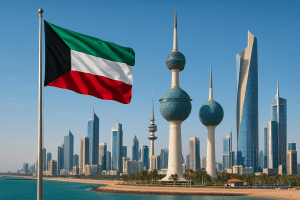


Indicated by a Reuters questionnaire of experts, GCC economies should display higher rated of expansion in 2025 as compared to the previous year resulting from higher production of oil and diversification efforts. In spite of decreases in oil production volume from late 2022 onwards, Prices have been stagnant. Geopolitics, tension, and the U.S. trade uncertainties at hand have impacted demand and OPEC profits.
This survey predicts Brent crude will average a barrel price of $67.86 in 2025, yet present values are close to $70. The GDP of Saudi Arabia is estimated to triple its growth to 3.8% this year from 1.3% in the past one. Specialists added that OPEC+ is turning oil to the market both both quicker and more plentifully than predicted, as Saudi Arabia Progresses with investments to support prolonged expansion through diversification.
Expected to head regional growth, the UAE is estimated to hit 4.8% in 2025 followed by 4.6% the next year. This is an advancement on prior forecasts of 4.5% and 4.2%. On the other hand, Qatar is estimated to reach 2.7% in 2025, soon jumping to 5.4% in 2026, which is consequent of the launch of their major liquefied natural gas (LNG) expansion. Both nations seek to decrease dependence on oil by expanding their tourism.
Oman and Saudi Arabia have been commended for financial strictness and steps towards restructure in the face of declining oil profit. While Bahrain is exceptionally projected to decline slightly to 2.9% from 3.0% in the previous year, Oman and Kuwait are said to be reaching three year peaks, being 2.8% and 3.0% respectively in 2025. Generally, the GCC is expected to maintain low inflation rates of around 1.0%-2.5% in 2025 according to regional sources.
Qatar’s inflation is forecasted to be 1.5%, while the UAE and Saudi Arabia will likely stay at 2.0%. In the opinion of analysts, despite the weakening of the U.S. dollar against G-8 currencies in 2025, increases in import costs related to shifting exchange rate have been limited.