




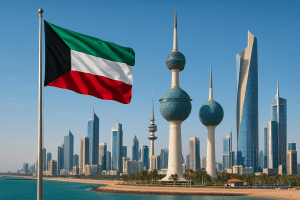




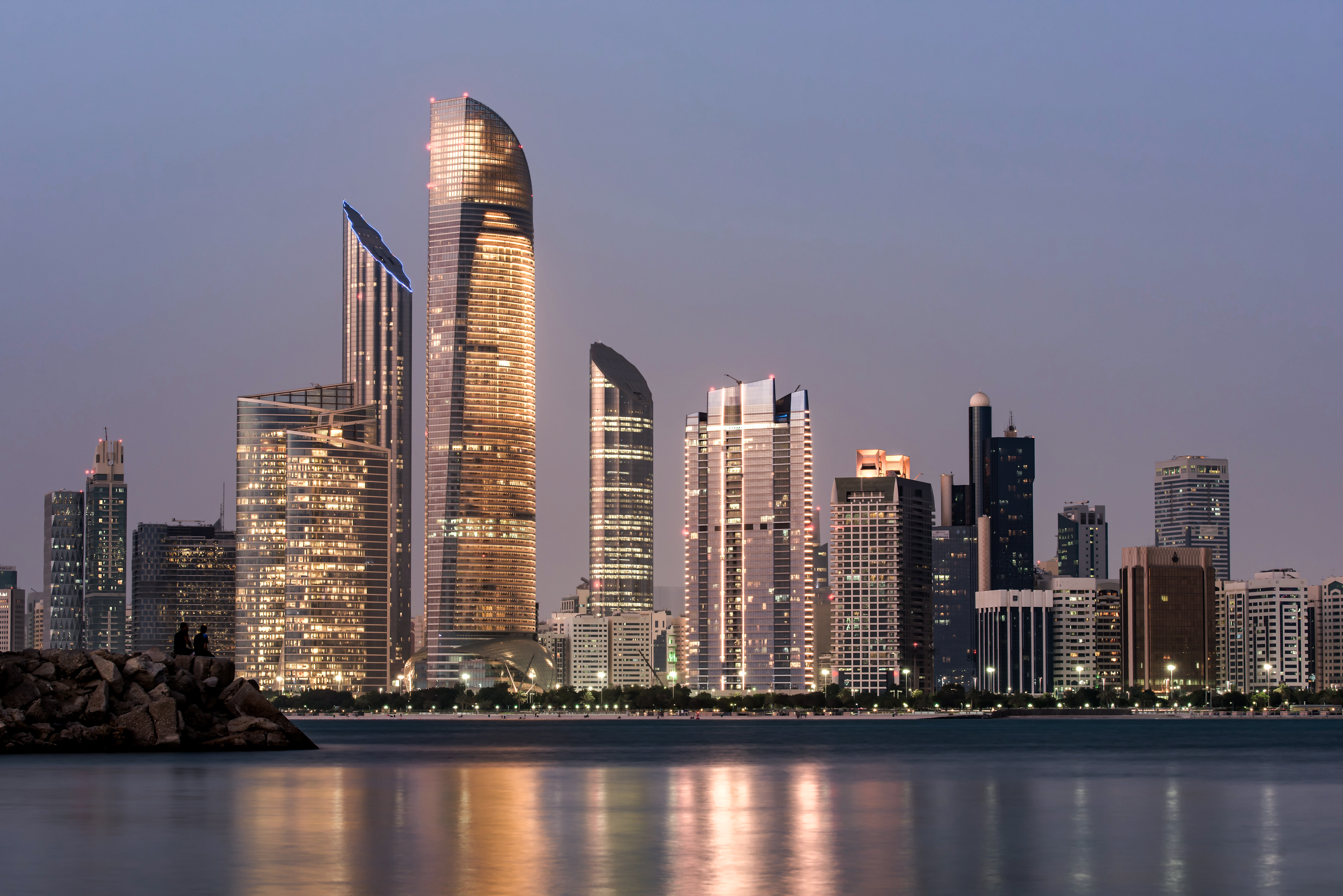
Dubai tops the Middle East as Kuwait City ranks eighth regionally.
Riyadh climbs eight spots to 56th globally.
Cities across the Gulf Cooperation Council (GCC) have strengthened their positions in the Kearney Global Cities Index 2025, advancing through consistent investment in infrastructure, digital readiness, and human capital.
While long-established global hubs maintain their dominance, the rise of GCC cities signals the region’s growing weight in shaping the global economic climate.
Dubai and Riyadh Drive Regional Momentum
Dubai climbed to 23rd place globally, reinforcing its status as a leading center for finance, business, and culture. Riyadh advanced eight places to 56th, reflecting strong economic activity and growing connectivity under ambitious transformation programs. Manama also recorded an impressive ten-place jump to 125th.
These advances underline how Gulf cities are transforming strategic investments into a competitive advantages — attracting top talent while expanding their infrastructure and logistics capabilities to rival long-established global peers.
Ranking of Arab Cities in the 2025 Index
| City | 2025 Rank | Change vs. 2024 |
| Dubai | 23 | ▲ 1 |
| Abu Dhabi | 49 | ▲ 10 |
| Doha | 51 | — |
| Riyadh | 56 | ▲ 8 |
| Cairo | 70 | ▲ 2 |
| Jeddah | 83 | ▲ 1 |
| Amman | 89 | ▲ 3 |
| Kuwait City | 90 | ▼ 4 |
| Beirut | 97 | ▼ 4 |
| Casablanca | 106 | ▼ 1 |
| Muscat | 112 | ▲ 2 |
| Dammam | 117 | ▼ 4 |
| Manama | 125 | ▲ 10 |
| Tunis | 126 | ▼ 3 |
| Makkah | 136 | ▲ 3 |
| Madinah | 148 | ▼ 2 |
| Alexandria | 149 | ▲ 3 |
| Baghdad | 152 | ▼ 2 |
| Khartoum | 157 | ▼ 2 |
Changing Metrics of Competitiveness
Rodolphe Lomer, Senior Partner at the Global Business Policy Council, President of the National Institute for Transformation, and member of Kearney’s foresight network, noted:
“What’s striking about the 2025 report isn’t which cities rose or fell, but the reasons behind it. Competitiveness today depends less on historical prestige and more on a city’s ability to develop human capital, build trust in digital systems, and create liveable, adaptive environments.”
Inside the Global Cities Index 2025
The index evaluates 158 cities across five pillars: business activity, human capital, information exchange, cultural experience, and political engagement. It draws on 31 key indicators to assess a city’s ability to attract people, capital, and ideas — as well as its capacity for innovation and creativity.
The world’s top five cities remained unchanged: New York, London, Paris, Tokyo, and Singapore. Meanwhile, Almaty, Taipei, and Rio de Janeiro saw notable gains.
Top 10 Global Cities (2025):
1. New York
2. London
3. Paris
4. Tokyo
5. Singapore
6. Beijing
7. Hong Kong
8. Shanghai
9. Los Angeles
10. Chicago
The Outlook: Cities of the Future
Kearney’s Global Cities Outlook 2025 reveals major shifts in the global hierarchy. Munich overtook San Francisco to claim first place, while Seoul and Singapore entered the top five — reflecting the rising power of Asia’s innovation hubs.
The Outlook measures performance across four key dimensions: personal well-being, economy, innovation, and governance.
Several Western cities, however, showed early signs of pressure, as governance and social-well-being challenges impacted their rankings. In contrast, Taipei and Jakarta advanced sharply, signaling a rebalancing of opportunity across global regions.
Gulf Cities: Sustained Growth and Rising Influence
For the Gulf, the findings were particularly strong. Cities including Dubai, Riyadh, Dammam, Makkah, Madinah, Doha, and Manama all recorded steady progress, powered by long-term investment in infrastructure, innovation, and quality of life. Collectively, these cities illustrate how the Gulf region is shaping the next generation of global urban centers.
The Future of Urban Competitiveness
The report concludes that the cities of tomorrow will compete on three main enablers:
1. Expanding energy capacity
2. Integrating livability and environmental resilience into growth models
3. Preparing human talent for an AI-driven economy


